Pumping, inspection, repair, and full installation across Greer and the Upstate. Written pricing before the work starts.
Call (555) 555-5555Or call — we answer. No obligation, honest advice.
Greer sits on the seam between two booming counties, and that seam is the first thing to understand about septic here. Greer straddles the Greenville-Spartanburg line, which means two health departments and two permitting processes, and a company that only knows one of them is guessing on half the addresses in town. North and east of downtown, out along Highways 101, 290, and 14 and toward the lakes, sewer never reached, and that is still septic country the way it always has been.
The area mixes brand-new construction with farmhouses whose tanks predate the interstate. Both need care, just different care: new systems need correct startup habits, and older systems need honest evaluation before a small issue becomes an excavation project. City-water addresses in downtown Greer do not need us. Nearly everyone north and east of town eventually does.
Nothing about this is complicated. We find the system, open it, photograph what is actually down there, and hand you a written number before anyone starts work. Diagnosis first, then the price, then the work. Plenty of visits end with us saying the tank is fine and to call again in a couple of years.
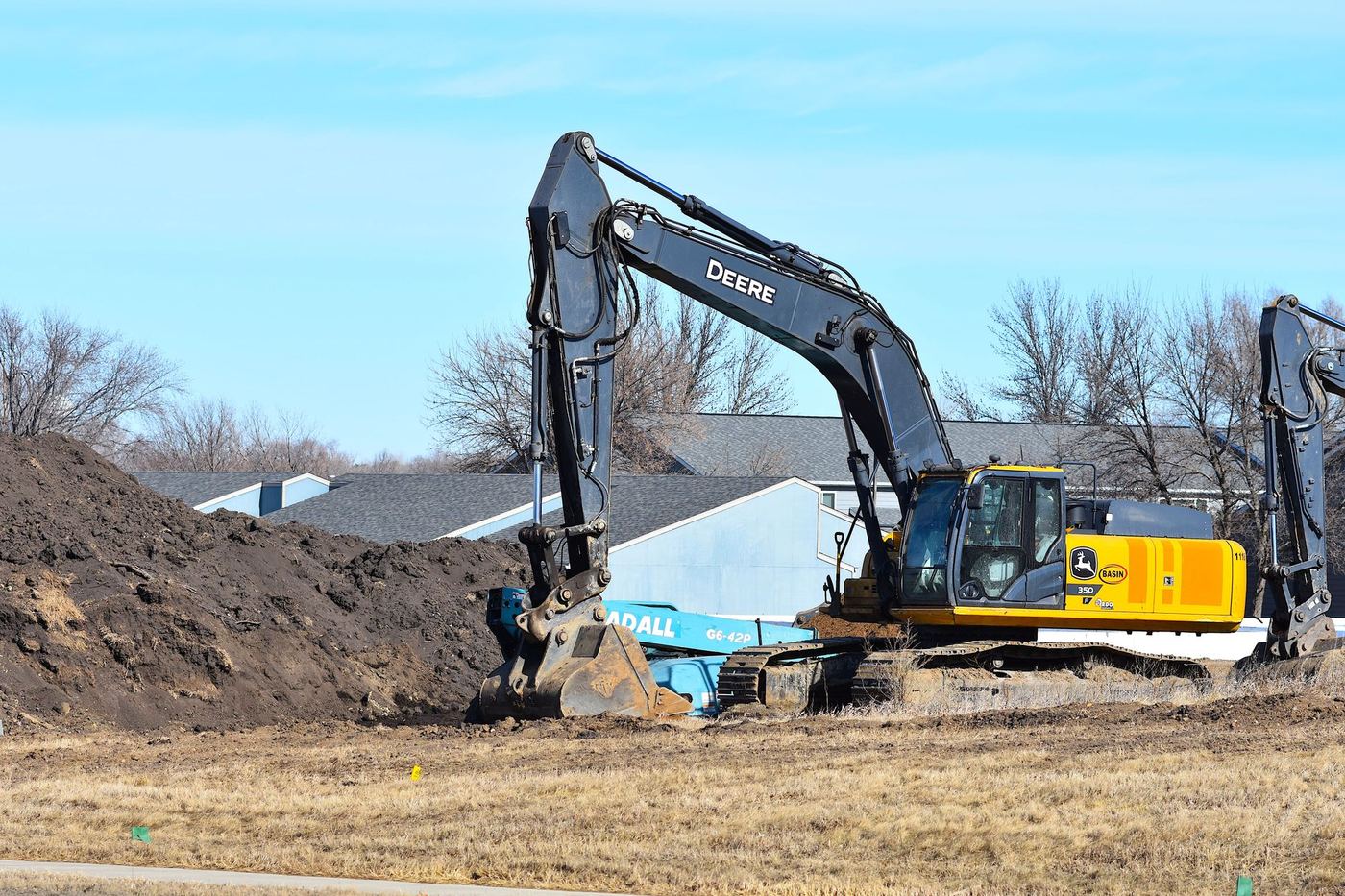
Most septic work is excavation. Locating a tank, opening a lid, exposing a line, or installing a new field all start with breaking ground, and how that gets done decides what your yard looks like afterward.
Lids get seated properly, ground gets raked back, and no ruts get cut across the yard. The only evidence we were there should be a system that works the way it is supposed to.
Four services cover almost everything a residential system in the Upstate needs, whether you are on the Greenville side or the Spartanburg side of town.
Complete pump-outs on a three-to-five-year cycle. We uncover the lids, pump fully - sludge and scum, not just liquid - inspect the baffles, and hand you a written condition report every time.
Closing-ready reports for buyers and sellers. Tank and sludge levels, baffle and tee integrity, pump and alarm operation, and drain field surface, photographed and clear enough to negotiate with.
New builds and replacements, plus repairs to baffles, pumps, lines and fields. Soil evaluation and DHEC permitting through Greenville or Spartanburg County handled.
Inside the tank, what arrives separates into three bands. Grease and light debris rise into a floating scum mat. Heavier material sinks into a sludge blanket along the bottom. Between them sits the reasonably clear liquid - the effluent - which is the only part meant to travel on to the drain field. Let the sludge blanket climb high enough and solids ride out with the effluent, and trenches packed with solids are finished for good.
The Upstate's red clay is the local wrinkle. Clay drains slowly, which gives a drain field less margin for error than sandy ground would, so systems here have to be sized and scheduled with that in mind. It is also why installations on Upstate lots frequently call for a pump system that sandy ground would not need, and why no honest company quotes an install before a soil evaluation.
Intervals follow from the same fact. A couple in a properly sized tank can often stretch to five years; a household of five should plan on three. Clay's slow drainage leaves a field less room to absorb a mistake, so we set the number from the sludge depth we actually measure rather than from a chart.

Systems here rarely collapse overnight. What arrives looking like an emergency is almost always years of postponed pumping landing at once. Holding solids back is the tank's entire job, and when it runs out of room to do it, those solids start leaving with the liquid. Nothing poured down a drain reverses what happens next.
Which leaves one rule worth carrying: a pump-out is a modest bill and a drain field is a major one. Money spent keeping solids inside the tank is money spent protecting the component you cannot cheaply replace - and in Upstate clay, building a new field is a bigger project than it would be in sandier ground.
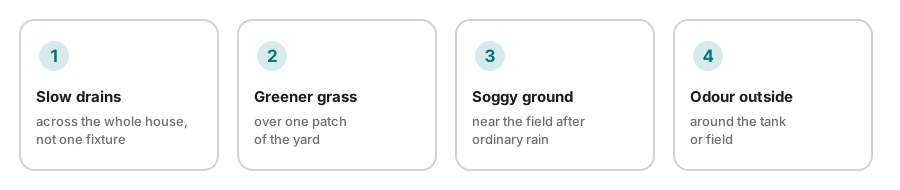
Systems almost always signal first. Whole-house slowness or gurgling, rather than one stubborn fixture. A strip of lawn greening up faster than everything around it. Ground over the trenches that stays soft after ordinary rain, not just a downpour. An outdoor smell near the tank or field. Any one of them earns a look, and looking is the cheap option.
Several ordinary habits cost systems years. Wipes flush easily and never break down, whatever the box claims. Bleach and drain cleaner in quantity kill the bacteria doing the actual work. Vehicles parked on the field compact clay and crush lines. And roof runoff or a French drain aimed at the trenches drowns a field with water it was never sized to take.
None of these mean disaster on their own. All of them are cheaper to look at than to ignore.
Every job runs the same way, whether it is a routine pump-out or a full installation. Here is the standard you can hold us to.
You get the number before work starts, not after. If we open the lid and find something else going on, we stop, show you, and quote it separately. No surprise line items at the end.
You get a real window and a text or call when the crew is on the way. If weather forces a change, you hear from us first, not last.
Lids seated, ground raked back, no ruts across the yard. The only evidence we were there should be a system that works the way it is supposed to.
Few things derail a closing as quietly as septic, and in this market few things get skipped as often. Because a standard home inspection leaves the system out entirely, a buyer moving up from a sewer-served neighborhood can sign for an acreage lot with failing trenches and learn about it during the first sustained rain.
Buyers should book far enough into the option period to still have negotiating room. Scope matters as much as timing: the tank located and opened, sludge and scum measured, baffles and tees verified, water run to confirm flow, and the field probed for saturation. An inspection that never touches the drain field has examined the inexpensive half and ignored the costly one.
Sellers gain the most by handling it before the sign goes up. A recent pump-out and a clean report convert the system from something a buyer's agent can lean on into documented, serviced infrastructure. With a closing date already fixed, mention it when you call - a deadline changes how the visit gets scheduled.
Greer is the base, and the service area covers the surrounding Upstate on both sides of the Greenville-Spartanburg line, along Highways 101, 290, and 14, out toward the lakes, and across the acreage where sewer never reached. BMW keeps hiring and the Inland Port keeps expanding, so subdivisions keep pushing north, but past the reach of the sewer lines this is still septic country.
On the outer edges of the service area travel shows up in the quote rather than as a surprise on the invoice, and we will say so on the phone. If your address sits just past the list below, call anyway.

The county line is not a technicality here. Greenville and Spartanburg run separate health departments with separate permitting steps, separate forms, and separate inspectors, and a septic system on the wrong paperwork does not pass. Because the service area sits on both sides of that line, we work both offices every week and know which one an address falls under before the truck leaves.
For a homeowner that mostly means one less thing to worry about. You do not need to know which county your acreage sits in, whether your closing needs a Greenville form or a Spartanburg one, or how the two offices differ on setbacks. You call, we sort out the jurisdiction, and the permitting gets handled by people who do it in both counties routinely rather than once in a while.
Nobody should learn septic pricing during an emergency, so here is the calm-day version: pumping is the routine cost, repairs track components from cheap floats and baffles up to serious field work, and installation follows the soil. Whatever you need, call (555) 555-5555 and we will tell you what your system actually needs, including when the honest answer is nothing yet.
Save the number before you need it. Septic problems only get more expensive the longer they wait, and Upstate clay is not forgiving of delay.
Tell us what you need and we'll get back to you with a real answer. If it's an active backup or standing water over the field, calling gets you a faster response.
Call: (555) 555-5555
Area: Greer, SC and the Greenville-Spartanburg area